

Armenian and Hebrew Relations
The Relationship Between Armenian and Hebrew
Shared Vocabulary Between Armenian and Hebrew
Hebrew words entered Armenian primarily through Aramaic and Syriac. While the Armenian alphabet was being formed in the fifth century, the Bible was also translated into Armenian. Through this process, religious literature was incorporated into the Armenian language. Calendar-related and religious ritual terminology likewise entered Armenian in this context, and proper names also found their place. It should not be assumed that all of these words are used in the same form in Modern Hebrew. The greatest influence of Hebrew lies in its role as the source language of religious texts. For this reason, it has been able to exert a profound influence on the West and the wider world. Other Jewish languages did not have a comparable impact. Thus, as in the case of Arabic, the fact that Hebrew functioned as a religious language enabled it to reach a broad sphere of influence.
The Encyclopedia of the Hebrew Language includes the following statements on the subject:
“Armenian constitutes an independent branch of the Indo-European language family (Hübschmann 1875) and shows close affinities with Ancient Phrygian (Diakonoff 1984) and Greek (Clackson 1994). Although ancient sources attest to the existence of the Armenian language from very early periods, the earliest known written sources date to the fifth century CE. This corresponds to the period following the invention of the Armenian alphabet by Mesrop Maštocʿ at the beginning of that century.
One of the most striking characteristics of Armenian is its accumulation of loanwords. Iranian languages exerted the strongest influence on the development of Armenian; however, loanwords from languages such as Urartian, Hittite, Kartvelian languages, Greek, and Aramaic can also be identified.
Despite the evident influence of Aramaic (in its various forms) on the development of the Armenian lexicon (Périkhanian 1971: 7–8), the issue of loanwords transferred directly from Hebrew into Armenian has not been fully clarified. In his groundbreaking work on Armenian etymology, Hübschmann (1962: 281–321) did not posit direct borrowings from Hebrew into Armenian; instead, he suggested that Syriac may have served as an intermediary language (see also Stone 1982: 287 and the relevant bibliography).
More recently, Shapira (2003) has proposed a Hebrew origin rather than an Aramaic one for certain Armenian words. It is not known through which channels or at what time these Hebrew words entered Armenian; some of them were undoubtedly limited to scholarly circles in which Hexaplaric materials and technical glossaries circulated. However, even if such borrowings are accepted, the direct influence of Hebrew on Armenian remains extremely limited.”
Ačaryan, for his part, includes the following remarks on the subject:
“Armenians and Hebrews (Jews) did not maintain relations with one another beyond those of ruler and subject. When Tigranes the Great first conquered Palestine, he brought thousands of Jewish captives and settled them in various cities of Armenia. They lived very peacefully in Armenia and grew and multiplied in all the major cities of the country, to the extent that they even outnumbered the Armenians in some of these places.
According to P‘awstos Buzand (IV. 55), when the Persians raided Armenia during the captivity of Arshak and deported thousands of captives to Iran, the following figures were recorded:
From Artashat: 9,000 Jewish households and 40 Armenian households.
From Yervandashat: 30,000 Jewish households and 20 Armenian households.
From Zarehavan: 8,000 Jewish households and 5,000 Armenian households.
From Zarishat: 14,000 Jewish households and 10,000 Armenian households.
From Van: 18,000 Jewish households and 5,000 Armenian households.
From Nakhchivan: 16,000 Jewish households and 2,000 Armenian households.
Thus, the total number of captives taken from these six cities amounts to 95,000 Jewish households and 42,000 Armenian households. If one calculates five individuals per household, this corresponds to 475,000 Jews and only 210,000 Armenians.
We are not concerned here with debating how accurate these figures provided by Buzand are. It is well known to everyone how exaggerated they are. Nevertheless, this does not prevent them from indicating that the Jewish population was at least twice as large as the Armenian population.
However, it should be considered that this numerical superiority of the Jews over the Armenians (being more than double) applied only to the cities in which they had settled primarily for commercial purposes. The rural population, by contrast, was predominantly Armenian.
In general, we know that wherever Jews settled, they quickly lost their own language and adopted the local one. This must also have been the case in Armenia.
Even if one were to assume that the Jews did not lose their own language, they could not have been speaking Hebrew in Armenia. For we know from history that Jews had already lost their language during the period of the Babylonian captivity.
Consequently, the captives brought by Tigranes must in fact have spoken Aramaic, which was equivalent to Syriac. Aramaic was already a spoken language in Armenia at that time. Even if Jews preserved Hebrew within their religious institutions, this could not have had a direct impact on Armenian. Therefore, the possibility of a direct influence of Hebrew on Armenian is entirely eliminated.”
Cultural and Religious Heritage
“Although the Jews did not constitute a political power, they left an immense impact on the world in literary and religious terms. With the acceptance of the Old Testament as a sacred scripture, Hebrew words entered first the languages of Christian peoples and subsequently those of Muslims. For example, even the French words gêne (‘distress’) and gêner (‘to disturb’) ultimately derive from the Hebrew concept gehenna (‘hell’).
The total number of words that entered Armenian through the Bible and Hebrew literature amounts to 138. In what follows, an alphabetical list of these words is presented.”
“The most fundamental problem in discussing the linguistic influence of Jews on Armenian is whether these words were transmitted directly from the Hebrew original or via Greek. Historically, Jews tended to adopt the language of the regions in which they settled. Even if they preserved their own language, the Jews brought by Tigranes were most probably speaking Aramaic (Arāmāyikʿ), which they had adopted after the Babylonian captivity.”
“Linguistic evidence confirms that words of Hebrew origin that entered Armenian did so primarily through Greek translations, namely the Septuagint.”
Phonetic Evidence:
“Sounds present in Hebrew but absent in Greek—particularly consonants such as g and z—were rendered as s in Greek. In Armenian, these words appear not in forms corresponding to their Hebrew originals, but rather in the altered forms transmitted through Greek.”
Literary Transmission:
“The Armenian Bible was translated first from Syriac and subsequently from Greek; it was not translated directly from the Hebrew original.”
Cultural Legacy
“Although politically weak, the Hebrews left an enormous imprint on the world in religious and literary terms. With the sanctification of the Old Testament, Hebrew words became universal. In Armenian, the total number of words introduced through the Bible and Hebrew literature is 138.”
The Route of Hebrew Words into Armenian
“Cases of erroneous readings are observable. Incorrect interpretations or phonetic distortions that occurred in Greek translations were transferred into Armenian without modification. For example, the Hebrew word ganzak entered Armenian as kakkov through the Greek pronunciation zakxo.”
“All these examples demonstrate that our translators did not have access to the Hebrew original of the Holy Scriptures; they possessed only the Greek text and faithfully transliterated Hebrew words as they appeared there. If this is the case, one must conclude that Hebrew was not included in the educational curriculum of our ancestors and that, consequently, Hebrew exerted no direct literary influence on Armenian.”
“Apart from the Bible, Hebrew words—albeit in very small numbers—also appear in other works from the Mesropian period, such as those of Eznik, Cyril of Alexandria, and similar authors. Yet these too entered Armenian through Greek. From the history of ecclesiastical literature, we know that the Greek and Latin Church Fathers likewise did not include Hebrew in their scholarly programs. Until the fifth century, only two learned figures—Origen (third century) and Jerome (fourth century)—were able to master Hebrew by pursuing specialized training in the language.”
“In general, Greek and Syriac exegetical fathers (such as Cyril of Alexandria, John Chrysostom, Ephrem, and others), being unfamiliar with Hebrew, relied on translations whenever clarification of obscure passages in the Greek Septuagint was required (Turyan, Examination and Critique, 219).”
“If Armenians did not learn Hebrew during the brilliant age of Mesrop, it is hardly plausible that they did so in later centuries, particularly since even the teaching of Syriac and subsequently Greek gradually declined. Movses Khorenatsi (Book III, 62) writes that he was sent to Jerusalem and Palestine ‘to visit and venerate the holy places and to remain for some time under the instruction of the Palestinians’; however, even if this account were true, it would represent a temporary and exceptional case.”
“In the eleventh century, we encounter an author named Karapet Sasnetsi, who composed a highly ornate panegyric on Mesrop. In an attempt to appear erudite, he employed a series of unusual words among the laudatory titles; although these words appear distorted and obscure, their Hebrew origin is evident. These too reached us through Greek.”
“Like Greek loanwords, Hebrew words never became fully integrated (assimilated) into the Armenian language. Only about fifteen of them entered general usage, and of these, approximately six are preserved in the modern vernacular. These are as follows:”
Azazel (Ազազել)
Alleluia (Ալելուիա)
Akpan (akpanik) (Ակբան)
Amen (Ամէն)
Pak-Zebed (Բակեզեբ)
Belial (Բելիար)
Beelzebub (Բէեղզեբուղ)
Boz (Բոսոր)
Gehenna (Գեհեն)
Yehova (Եհովա)
Jubilee (Յոբելեան)
Hosanna (Ովսաննա)
Rabbi (Ռաբբի)
Rabbuni (Ռաբբունի)
Satan (Սատան)
“Some of these words are also used in vernacular dialects. All of them entered the language through literary channels as religious terms. For example, Azazel is used in the form Azazil in the Lori and Pambak regions and was also transmitted from Armenian into the Udi language.
This circumstance demonstrates that Hebrew did not exert a direct popular (folk-level) influence on Armenian
|
1. Grup |
2. Grup |
3. Grup |
4. Grup |
|
Abdiyu (Obadya) |
Baradam |
Enovs (Enos) |
Manase |
|
Abed-nago (Abdenago) |
Bartoghomios (Bartalmay) |
Esayi (İşaya) |
Manuel |
|
Abel (Habil) |
Betłehem (Beytüllahim) |
Ester |
Mariam (Meryem) |
|
Abisoghom (Abşalom) |
Beniamin (Bünyamin) |
Eremia (Yeremya) |
Melki |
|
Abraham (İbrahim) |
Benik |
Eva (Havva) |
Melkisedek |
|
Adam (Adem) |
Gabriel (Cebrail) |
Eprem (Efraim) |
Misayel |
|
Adramelek |
Gad |
Zakaria (Zekeriya) |
Misak |
|
Azaria (Azarya) |
Gaspar (Kaspar) |
Zorababel (Zerubbabil) |
Mikayel (Mikail) |
|
Aharon (Harun) |
Gedeon |
Emmanuel |
Mikia (Mika) |
|
Ahermon (Hermon) |
Daniel (Danyal) |
Tamar |
Movses (Musa) |
|
Ambakum (Habakkuk) |
Davit (Davut) |
Torgom |
Yapet (Yafes) |
|
Anania (Hananya) |
Ezekiel (Hezekiel) |
Ismayel (İsmail) |
Yakovb (Yakup) |
|
Anna (Hanna) |
Ezr (Üzeyir) |
Israyel (İsrail) |
Hesus (İsa) |
|
Asanet (Asenat) |
Eghia (İlyas) |
Lia (Lea) |
Yob (Eyüp) |
|
Askanaz (Aşkenaz) |
Eghiazar (Eleazar) |
Heghi (Eli) |
Yovab (Yoav) |
|
Baghtasar (Baltazar) |
Eghise (Elyesa) |
Matusuagha (Metuşelah) |
Yovakim (Yehoyakim) |
|
Banerges (Boanerges) |
Eghisabet (Elizabet) |
Maghakia (Malaki) |
Yovasap (Yehoşafat) |
|
Barnabas |
Enovk (Hanok) |
Mambre |
Yovel (Yoel) |
Just like the Hebrew-derived common nouns, the proper names mentioned above did not enter Armenian directly from Hebrew, but rather through the Greek translation of the Holy Scriptures. The evidence is the same.
Here, in order to make the matter entirely clear, we present a comparison of several names as they appear in Armenian, Hebrew, and Greek.
|
Armenian |
Hebrew |
Greek |
|
Ամբակում (Ambakum) |
Habaquq |
Ἀμβακούμ |
|
Անանիա (Anania) |
Hannaniyah |
Ἀνανίας |
|
Եզեկիել (Yezekiel) |
Yəḥezqēl |
Ἰεζεκιήλ |
|
Ենովք (Yenovk) |
Hanōkh |
Ἑνώχ |
|
Սոփոնիա (Soponia) |
Şafanyā |
Σοφονίας |
“A portion of Hebrew proper names also reached us through Syriac, via the first Syriac translation of the Holy Scriptures and through translations of the works of Syriac authors such as Ephrem and Zenob.
We also do not wish to dwell on names that entered our usage at later periods through Arabic and, in even later times, through various European languages. For example, names such as İbrahim, Davut, and Yusuf (= Abraham, Davit, Hovsep), or Isabella, Zabel, Liza, and Bella, are transformed Spanish, French, and Russian forms of the Hebrew name Yeghishapet (rendered in popular speech as Yeghuya, Yegho, and Sapet).”
Armenian–Hebrew Shared Vocabulary
|
Armenian (Original) |
Armenian (Transliteration) |
Hebrew |
English Meaning |
|
հաբամա |
habamā |
abbana |
Father |
|
էվյան |
evyān |
ābôn |
Sin |
|
արբա |
arbā |
arbok |
Four |
|
աղացնօ |
aġacnō |
ʿaġaḓō |
Tree |
|
հադադրիմոն |
hadadrimōn |
hadadrimmon |
Proper name |
|
ադար |
adār |
adār |
Month of Adar |
|
ադօնալ |
adōnal |
Adōnai |
Lord / Divine name |
|
ազազել |
ʿazāzel |
ʿazāzel |
Azazel |
|
հալելու յահ |
halelū yah |
allelūia |
Hallelujah |
|
ալեֆ |
alef |
ālef |
First letter of the alphabet |
|
ակել-դամ |
aqel-dām |
akeldamā |
Field of blood |
|
հախուխ |
haxux |
ākan / ākchouch |
Thorn |
|
եհյեհ |
ehyeh |
ehyeh |
I am |
|
համասարակ |
hamasarāk |
amattari |
Marketplace |
|
ամեն |
amēn |
amēn |
Amen |
|
աման |
amōn |
āmōn |
Craftsman / artisan |
|
էմեր / օմեր |
emer, ōmer |
ōmer |
Unit of measure |
|
ադին |
adin |
athānīn |
Lord / owner |
|
ահանին |
ahānīm |
apphāth |
Quarry |
|
ասիդա |
xasīdā |
asida |
Hasid / pious person |
|
աթեր |
ater |
arapōth |
Crowns |
|
հարիպոթ |
ha-ripōth |
arabōth |
Willows |
|
արգազ |
argaz |
argōb |
Chest / box |
|
օրոթ |
oroth |
arīthōn |
Light |
|
աֆհա |
afhā |
apphō |
Oven |
|
խասուսոթ |
xasūsōth |
apphousōth |
Stable |
|
բադիմ |
baddīm |
baddīn |
Pillars |
|
բակցլնո |
bacqēlnō |
bakelleth |
Onion |
|
բամա |
bāmā |
bāmā |
High place |
|
բարաք |
barāq |
bārāq |
Lightning |
|
բաքա |
bakā |
bedēk |
Valley |
|
բեդեկ |
bedēq |
bedēq |
Crack |
|
բազաք |
bazāq |
bezek |
Ornament |
|
բելի-յաալ |
bēli-yaʿal |
belial |
Evil |
|
բեհեմոթ |
behemōth |
behezebōul |
Beast |
|
բեելզեբուբ |
beʿelzebub |
baal zebub |
Idol name |
|
բաթ |
bath |
bath |
Unit of measure |
|
բաթուլա |
bat‘ulā |
boos |
Virgin |
|
բոֆազ |
bof‘āz |
bo‘az |
Boaz (proper name) |
|
բաշրա |
bašrā |
bosōr |
Gospel / good news |
|
բարկանին |
barqānīm |
borqānīm |
Lightnings |
|
բուլ |
bul |
būl |
Bul (month name) |
|
գադիդ |
gadīd |
gedōd |
Troop / force |
|
գալա |
galā |
gāl |
Heap |
|
գեհ-հիննոմ |
geh-hinnōm |
gēhinnā |
Valley of Hell |
|
գալգալ |
galgal |
gelgel |
Wheel |
|
գերսոմ |
gersōm |
gersām |
Gersom (proper name) |
|
գաբուլ-իմ |
gabul-īm |
gomōr |
Heap |
|
օմեր |
ōmer |
ʿōmer |
Unit of measure |
|
գան |
gan |
gan |
Garden |
|
դաբիր |
dabīr |
dabīr |
Scribe |
|
դարոմ |
dārōm |
dārōm |
South |
|
էդեն |
ʿēden |
ʿēden |
Eden / Paradise |
|
էլոհա |
ēlohā |
elōah |
God |
|
այլամ |
ailām |
ailām |
Deer |
|
ալմոնի |
almonī |
elmōnī |
Hidden / unknown |
|
էմակ |
ʿēmaq |
ʿēmeq |
Valley |
|
էրգաբ |
ergāb |
ergāb |
Unit of measure |
|
արգազ |
argaz |
ergaz |
Chest |
|
էֆոդ |
ēfōd |
ephōd |
Ephod |
|
էֆթա |
ēfthā |
ephphathā |
Be opened |
|
զիվ |
ziv |
ziv |
Brightness |
|
էլ |
ēl |
ēl |
God |
|
էլ, էլոհիմ |
ēl, ēlohīm |
ēl, ēlohīm |
God (plural usage) |
|
էլի, էլի |
ēlī, ēlī |
ēlī |
My God |
|
թալփյոթ |
talp‘yōth |
talpiyyōth |
Ornaments |
|
թամմուզ |
tammūz |
tammūz |
Tammuz (month) |
|
մարար |
mārār |
mārār |
Bitter |
|
տաու |
tāu |
tāv |
Letter (Tav) |
|
թեման |
tēman |
thaiman |
South |
|
թարիմ |
tārīm |
tharāphīm |
Idols |
|
տորա |
tōrā |
tōrā |
Torah |
|
յաշիմոթ |
yašīmōth |
yešīmōth |
Desolate places |
|
լիվյաթան |
livyātān |
leviathan |
Leviathan |
|
քադեշ |
qadeš |
qādeš |
Holy |
|
քորբան |
qorbān |
qorbān |
Sacrifice |
|
սատան |
satān |
satān |
Satan |
|
հոշանա |
hōšanā |
hōšaʿnā |
Hosanna |
|
փեսախ |
pesax |
pascha |
Passover |
|
ռաբբի |
rabbī |
hrabbī |
Rabbi / teacher |
|
սիվան |
sivān |
siouan |
Sivan (month) |
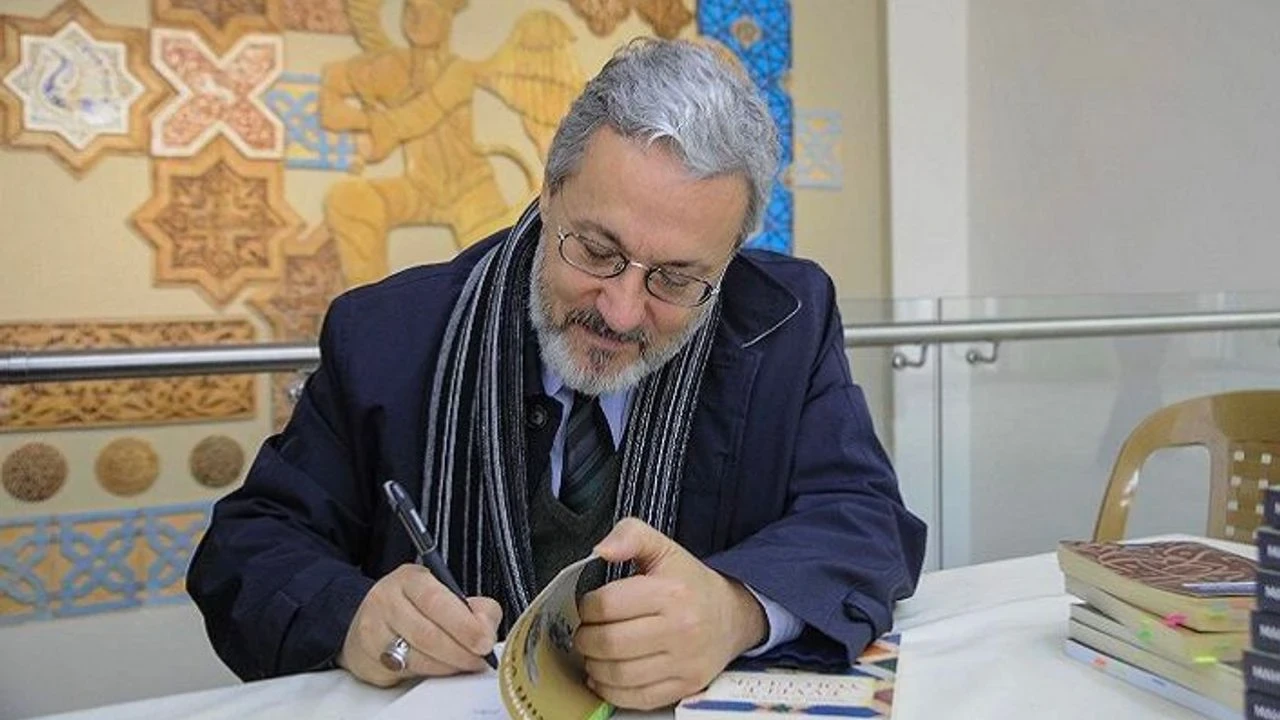
Ozan Dur
Kaynak:
Ačaṙyan, H. (n.d.). Hayocʿ lezvi patmutʿyun (Vol. 2). Yerevan: Yerevan State University Press.
La Porta, S. (2013). Hebrew loanwords in Armenian. In G. Khan (Ed.), Encyclopedia of Hebrew Language and Linguistics (Vol. 1, A–F). Brill.


Yorumlar
Yorum Yaz